

If you’re considering installing wet underfloor heating, one of the first questions you’ll probably ask is, “How much does underfloor heating cost?”
It’s a fair question, but the honest answer is that there isn’t a one-size-fits-all price.
Every property is different. A small kitchen extension will cost considerably less than heating an entire new-build home, and a retrofit installation requires a different approach to installing underfloor heating into a new concrete floor.
At UFH Experts, we believe in giving honest advice rather than unrealistic headline prices. In this guide, we’ll explain what affects the cost of underfloor heating, where your money goes, and why investing in a professionally designed system can save you money for years to come.
What Is Included in the Cost of Underfloor Heating?
Many people assume they’re simply paying for plastic pipe beneath the floor.
In reality, a quality wet underfloor heating installation is made up of several carefully designed components that all work together.
A typical system includes:
- Heat loss calculations
- Underfloor heating design
- Pipework
- Manifolds
- Pumps and mixing controls (where required)
- Actuators
- Wiring centre
- Thermostats
- Edge insulation
- Floor insulation
- Installation labour
- Pressure testing
- Commissioning
Every part plays an important role in ensuring the system performs efficiently for decades.
What Affects the Cost of Underfloor Heating?
Several factors influence the overall cost of an installation.
1. Property Size
Naturally, larger homes require more pipework, additional manifolds and longer installation times.
A 25m² extension is very different from a 350m² home.
Professional system design ensures every room receives the correct amount of heat regardless of size.
2. New Build or Existing Property?
This is one of the biggest factors affecting price.
New Build
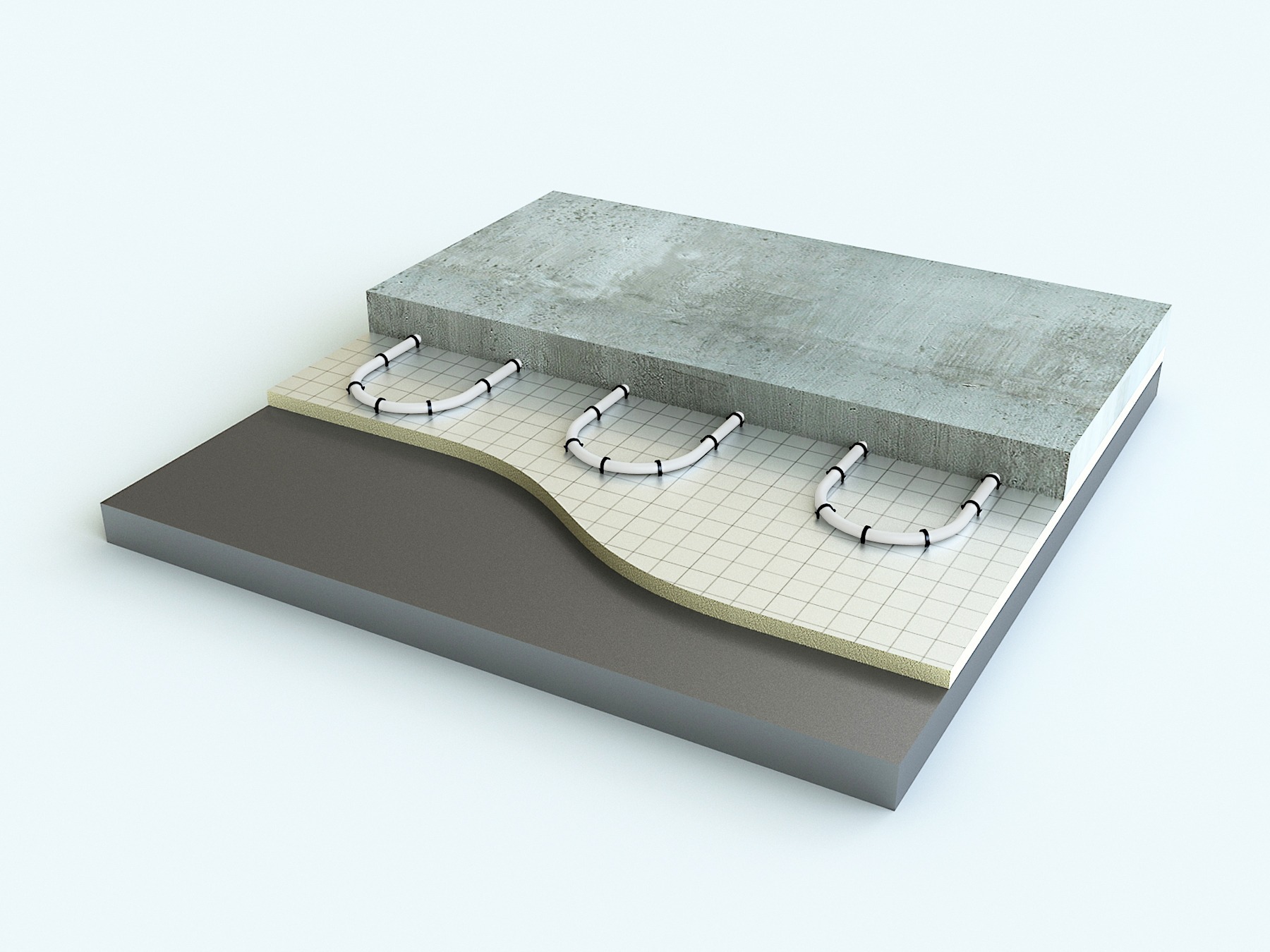
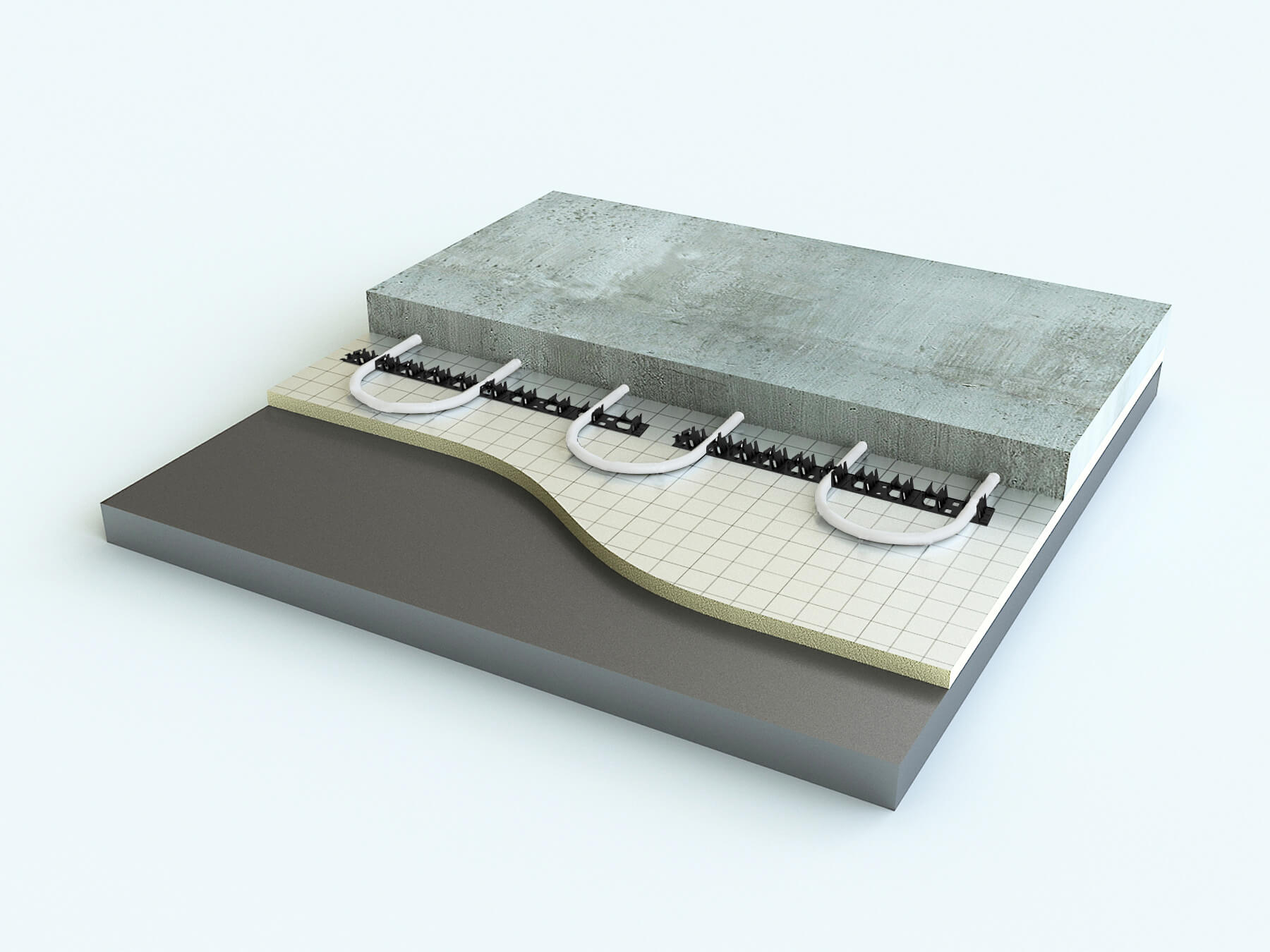
Installing wet underfloor heating during construction is usually the most cost-effective option.
The floor build-up is already being created, making it straightforward to install insulation, pipework and screed.
Existing Homes
Retrofitting underfloor heating into an existing property often requires a different solution.
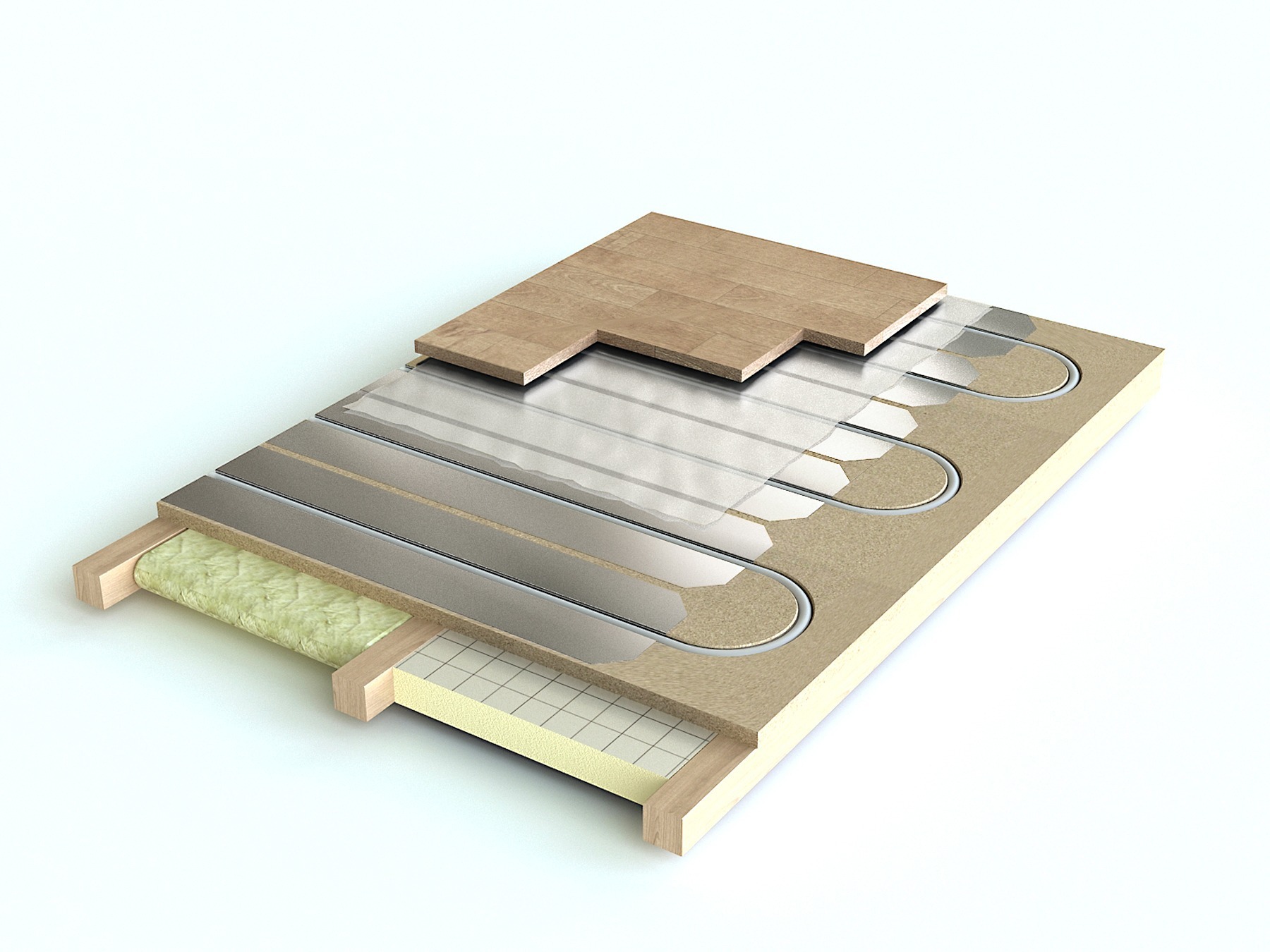
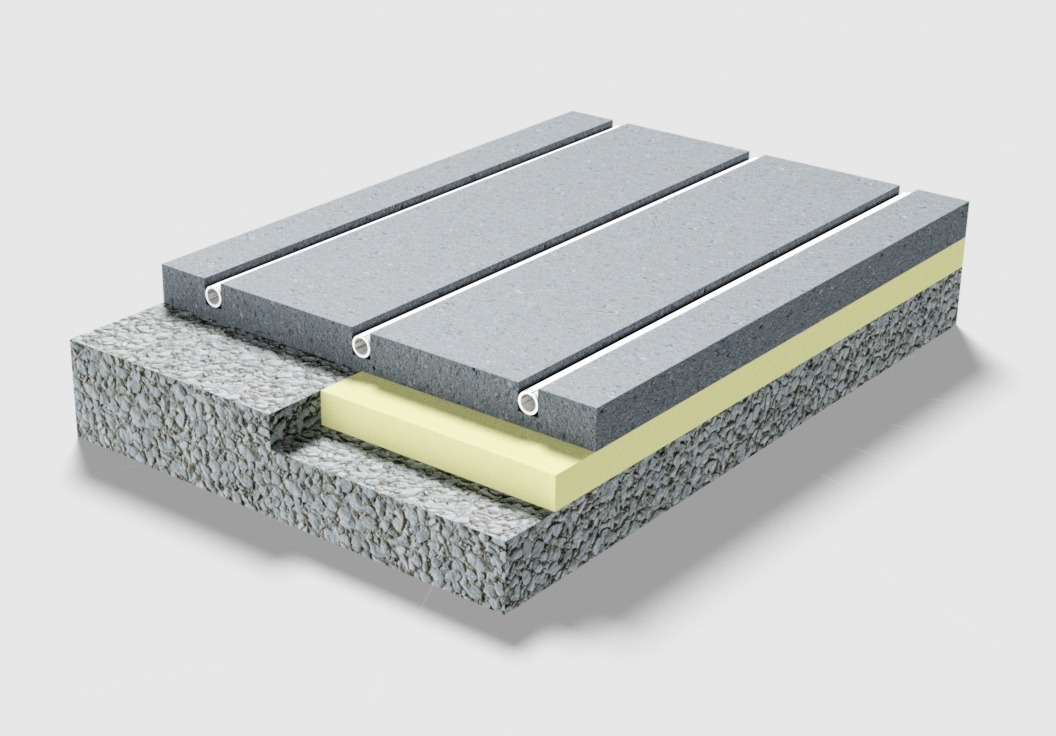
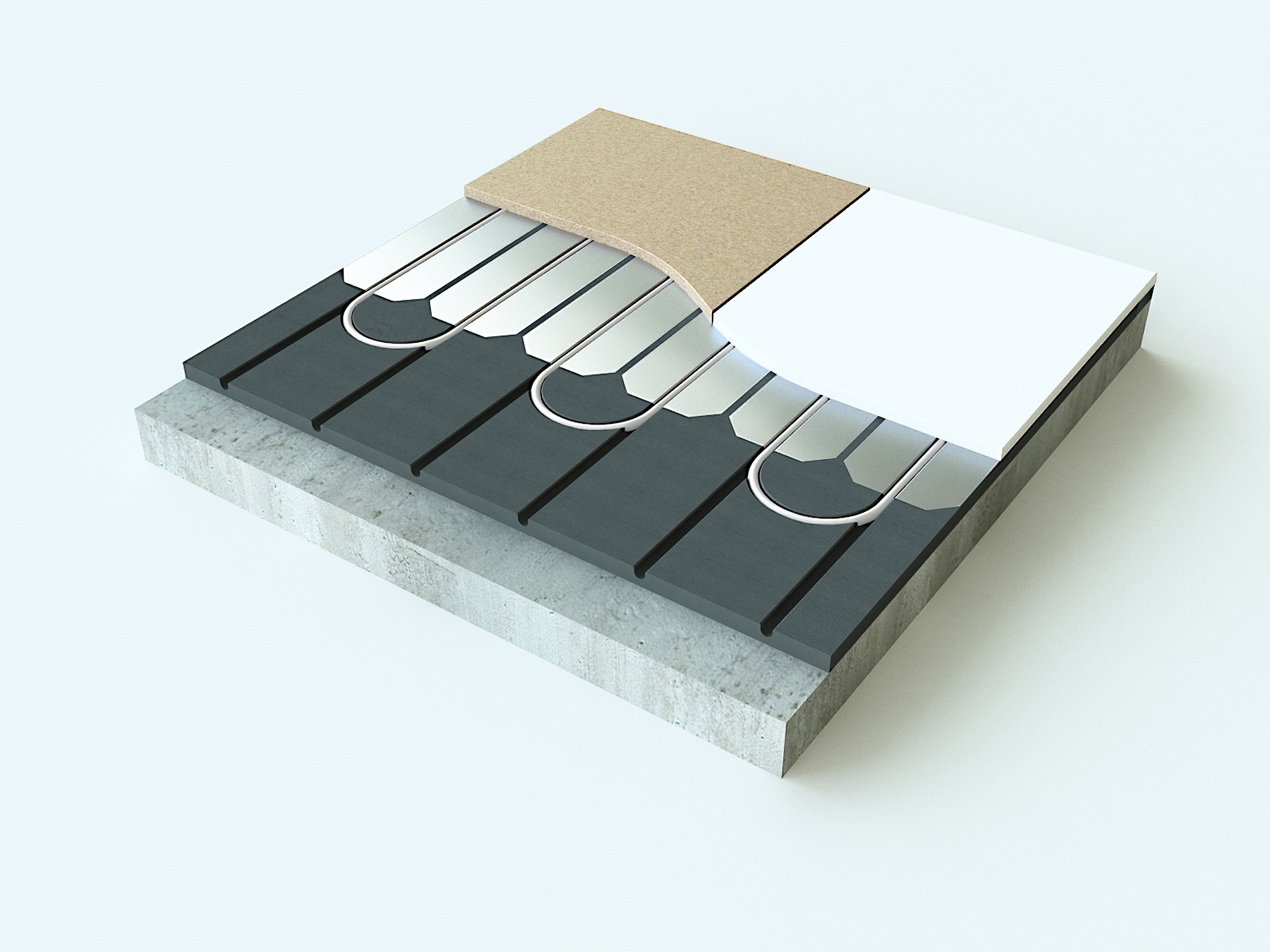
Depending on the floor construction, systems such as Retro Therma Milled Underfloor Heating can be installed into existing screed floors without significantly increasing floor height.
Although retrofit systems may involve additional preparation, they allow homeowners to enjoy all the benefits of wet underfloor heating without major structural alterations.
3. Floor Construction
The type of floor makes a significant difference.
Examples include:
- Concrete slab
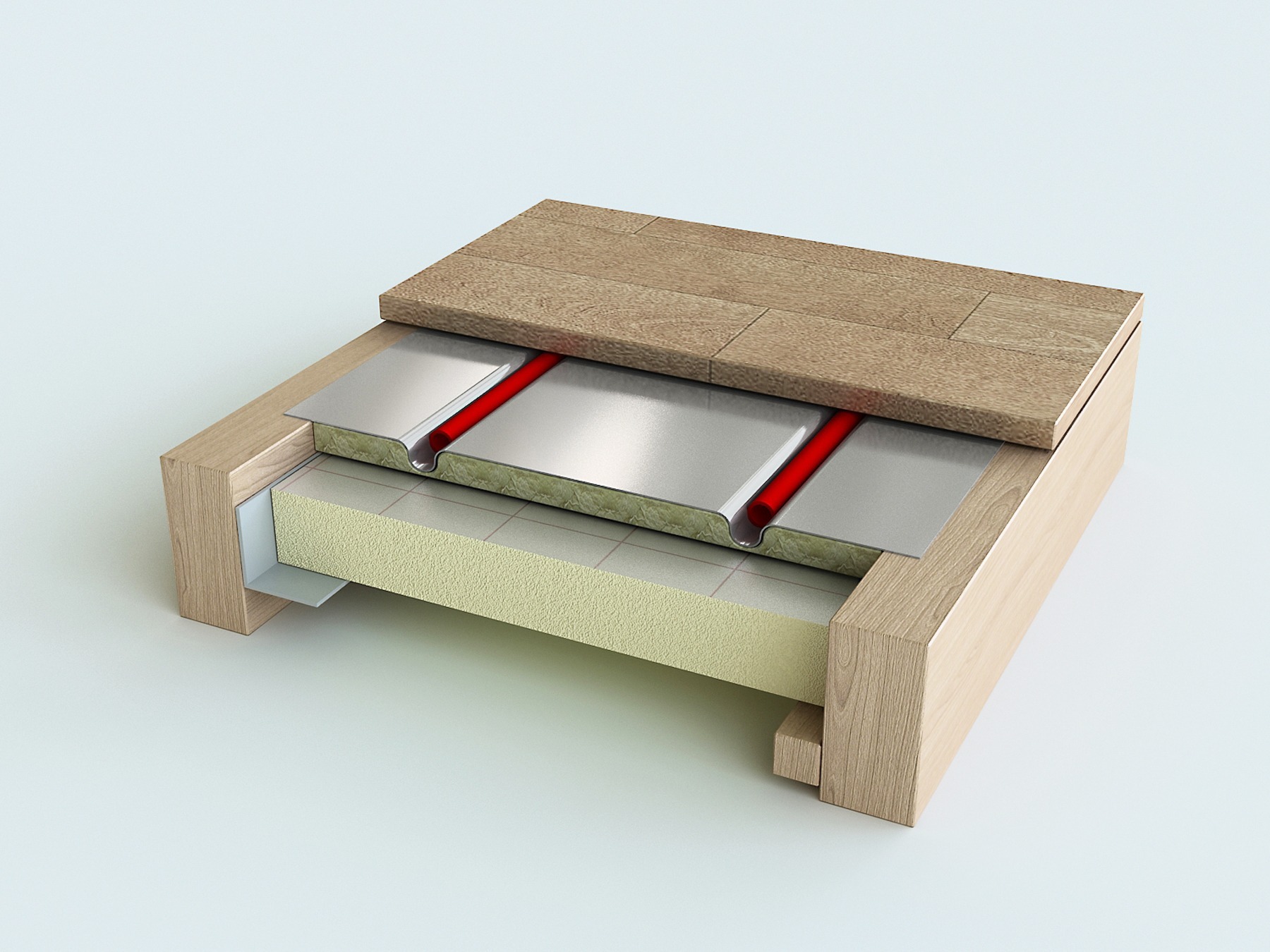
- Suspended timber floors
- Beam and block floors
- Existing screed
- Floating floors
Each construction method requires different installation techniques and materials.
4. Insulation
Good insulation isn’t simply recommended—it’s essential.
Proper insulation beneath the pipework ensures heat travels upwards into your home rather than being wasted into the floor below.
Better insulation also improves efficiency and helps reduce running costs over the lifetime of the system.
5. Heat Source
Modern wet underfloor heating works with a range of heating systems including:
- Air source heat pumps
- Ground source heat pumps
- Gas boilers
- Oil boilers
- Hybrid systems
Each heat source has different design requirements, which may affect installation costs.
6. Number of Heating Zones
Most homeowners don’t want every room operating at exactly the same temperature.
That’s why homes are divided into heating zones.
Each zone normally has its own thermostat, allowing independent temperature control throughout the property.
More zones generally require additional controls, wiring and actuators.
Is Underfloor Heating More Expensive Than Radiators?
The initial installation cost is usually higher than installing radiators.
However, looking only at installation cost doesn’t tell the whole story.
Underfloor heating offers several long-term benefits:
- Lower running temperatures
- Better compatibility with heat pumps
- Even heat distribution
- Improved comfort
- Greater energy efficiency
- More usable wall space
- No visible radiators
Many homeowners find these long-term benefits outweigh the higher upfront investment.
Does Underfloor Heating Save Money?
Potentially, yes.
Because wet underfloor heating operates at much lower water temperatures than traditional radiators, modern boilers and especially air source heat pumps can work far more efficiently.
The exact savings depend on factors such as:
- Property insulation
- Heating controls
- Floor coverings
- Occupancy patterns
- Flow temperatures
- Heat source
- Weather conditions
Rather than expecting dramatic overnight savings, it’s better to think of underfloor heating as an investment in long-term efficiency and comfort.
Why Professional Design Matters
One of the biggest mistakes people make is comparing underfloor heating quotes purely on price.
A cheaper quotation isn’t always better value.
Professional underfloor heating design considers:
- Heat loss calculations
- Pipe spacing
- Circuit lengths
- Water temperatures
- Floor finishes
- Manifold sizing
- Flow rates
- Pump selection
Poor design can lead to cold rooms, inefficient operation and expensive remedial work.
Getting the design right from the beginning is one of the best investments you can make.
Should You Choose the Cheapest Installer?
Choosing the lowest quotation can be tempting.
But underfloor heating is designed to remain beneath your floor for decades.
Once screed has been poured or floor finishes installed, correcting mistakes can become extremely expensive.
When choosing an underfloor heating installer, look for:
- Proven experience
- Professional design service
- High-quality materials
- Pressure testing
- Clear documentation
- Honest advice
- Good communication
- Positive customer feedback
A professionally installed system should provide reliable heating for many years with very little maintenance.
Is Underfloor Heating Worth the Cost?
For many homeowners, absolutely.
Wet underfloor heating offers benefits that go far beyond lower energy bills.
It provides:
- Exceptional comfort
- Even room temperatures
- Greater interior design freedom
- Excellent compatibility with renewable heating
- Quiet operation
- Future-proof heating technology
As more UK homes move towards low-carbon heating systems, underfloor heating is becoming one of the most popular choices for both new builds and renovation projects.
Why Choose UFH Experts?
At UFH Experts, underfloor heating isn’t an add-on service—it’s our speciality.
We work with homeowners, builders, developers and renewable energy companies across Essex and the South East to design and install wet underfloor heating systems that deliver long-term performance.
Whether you’re planning a new build, extension, renovation or retrofit project, we’ll help you choose the right solution for your property.
Our focus is simple:
- Professional design
- Quality installation
- Honest advice
- Premium materials
- Attention to detail
- Reliable aftercare
Because every project is different, we provide tailored quotations based on your property’s specific requirements rather than generic estimates.
If you’re considering wet underfloor heating, we’d be happy to discuss your project and provide expert guidance.
Call us today on 01621 874 874 or email hello@ufhexperts.co.uk for free advice and a no-obligation quotation.